1. Treat the outer and inner surfaces of the weld with the recommended protective coating.
2. Restore damaged underbody sealing coating.
Adhesive materials for body frame.
3. Use a two-component touch-up system.
4. Treat all unpainted hidden cavities with a protective wax composition.
Restoration of paintwork
Before restoring the paintwork, thoroughly clean the surface with a jet of water under pressure or with steam.
Wash the repair area with a solution of water and detergent and wipe it with a cloth soaked in solvent immediately before applying paint.
Sand the damaged paint surface to a metallic shine, including the area of undamaged paint around the damaged area. Etch the sanded surface with a phosphate solution to remove traces of rust and create a base coat for painting. Re-treat the defective surface by etching separately with an acid-based compound and then with a two-component primer, or immediately apply a combination of etching and preparation compound (primer/filler), then apply a two-component paint coating. Treat the unpainted areas with a protective wax composition, and then touch up.
CAUTION: When preparing the bumper surface for painting, be careful not to damage the impact sensors. If possible, remove only the top layer of the coating. If it is necessary to paint the area of the impact sensors, do not apply a thick layer of paint, as this may impair the operation of the sensors.
Information obtained from the website www.LRman.ru
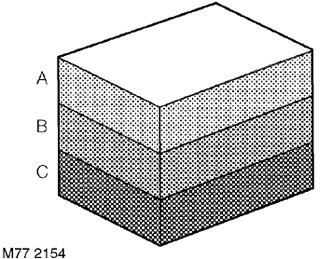
a. Two-component paint coating
b. Two-component composition for preparation and priming
with. Phosphate etching
CAUTION: When drying with heat, the drying temperature should not exceed 65°C. Exceeding this temperature will cause deformation of the headlight and taillight reflectors and may cause damage to other components.
Comments on this article