


Contents: Wheels with steel rims ⇩ Alloy wheels ⇩ Static balancing ⇩ Dynamic balance ⇩ Vehicle imbalance ⇩ Cleaning ⇩ Tire replacement ⇩ Puncture repair ⇩
WARNING: Wheel balancing must be performed outside the vehicle. Operating the vehicle with unbalanced wheels may result in damage to components or injury and is therefore NOT ALLOWED.
NOTE: Before attempting to balance the wheel/tire assembly, thoroughly clean it of any dirt deposits from both the inside and outside of the rim and remove any existing balance weights.
Remove stones from the tire tread to avoid operator injury during dynamic balancing and to ensure proper balance.
Inspect tires for damage and proper pressure and balance according to equipment manufacturer's instructions.
Wheels with steel rims
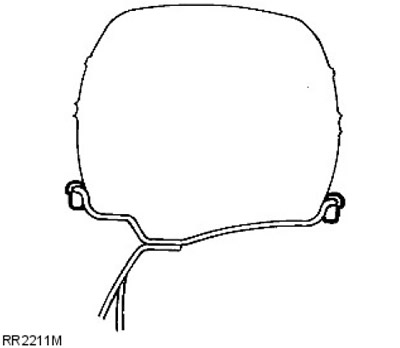
Clean the wheel rim area and attach the balance weights to the locations shown.
Alloy wheels
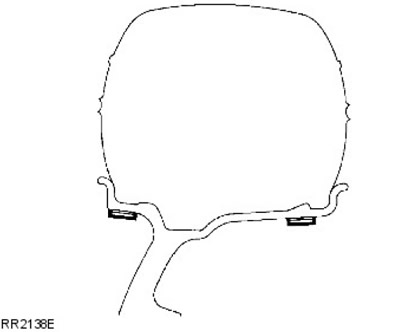
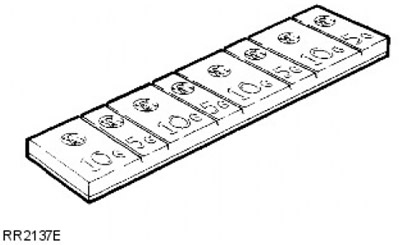
Clean the rim area of the wheel and attach the adhesive balance weights to the locations shown. Cut the back of the weight strip to release the required weights.
CAUTION: Use only proper adhesive weights to avoid damaging the aluminum wheel rim. DO NOT attempt to use steel wheel weights on an aluminum wheel.
Static balancing
Wheel oscillation in vertical and transverse planes
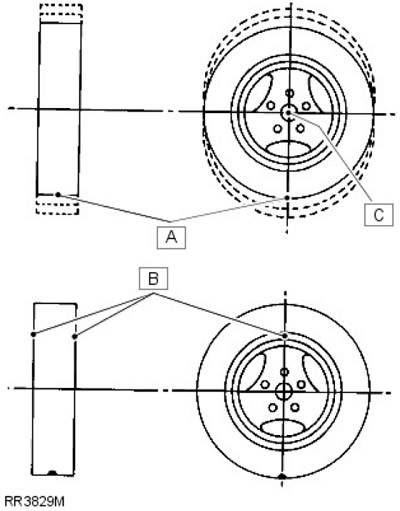
| Pos. | Spare part number | Name |
| A | - | Place of high density. |
| B | - | Add balance weights here |
| C | - | Axle axis centerline. |
Static balance is the uniform distribution of mass around the circumference of the wheel. Statically unbalanced wheels cause angular oscillations of the wheels. This condition eventually leads to uneven wear of the wheels.
Dynamic balance
Angular oscillatory motion of the steered wheels
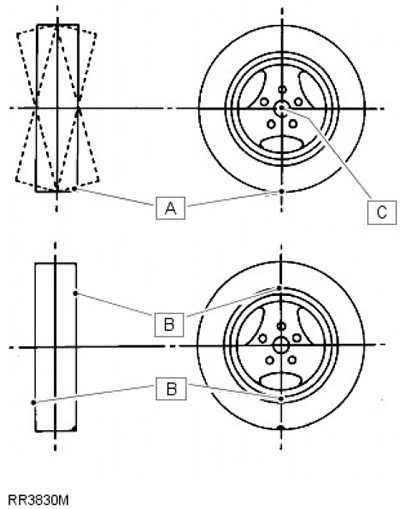
| Pos. | Spare part number | Name |
| A | - | Place of high density. |
| B | - | Add balance weights here |
| C | - | Axle axis centerline. |
Dynamic balance is an even distribution of mass on each side of the centerline so that when the wheel is rotated rapidly there is no tendency for the wheel to move from side to side. A dynamically unbalanced wheel causes angular oscillation of the steered wheels.
Vehicle imbalance
Balance the wheels according to the equipment manufacturer's instructions.
It is essential that the wheel is secured using the center hole and NOT the stud holes. To ensure secure mounting of the wheel, the diameter of the mounting protrusion on the stand shaft should be 112.80 - 112.85 mm. This diameter ensures that the shaft protrusion fits correctly in the center hole of the wheel.
To secure the wheel on the stand without causing damage to the wheel, always use the vehicle's wheel nuts if possible. If this is not possible, the mounting nuts should be the same type as the original wheel nuts. Using conical wheel nuts for this purpose may cause damage to the surface on alloy wheels.
Cleaning
Wash aluminum wheels using a suitable, properly diluted polishing concentrate and rinse with cold, clean water. DO NOT use abrasives or acidic aluminum wheel cleaners as they will destroy the clear coat.
Tire replacement
Use only tire changing equipment to mount or demount tires, following the equipment manufacturer's instructions. DO NOT use hand tools or wheel wrenches, as they may damage the tire bead or wheel rim.
Puncture repair
Remove the punctured tire from the wheel and repair it using a universal service plug and vulcanizing patch. When using a puncture repair kit, be sure to follow the manufacturer's instructions.
The original article is located on the website: LRman.ru
Only punctures in the tread area can be repaired. DO NOT attempt to repair punctures in the shoulder or sidewall of the tire.
Do not attempt to repair a tyre with the following defects: bulges or bulges, delamination, broken or cracked beads, wear indicators or punctures larger than 6 mm in diameter.
CAUTION: Do not use tire sealants that are injected through the valve stem to repair punctured tires. This may cause wheel corrosion and tire imbalance.
The rim seat of an aluminum wheel should be cleaned with a non-abrasive cleaner that will remove grease and old rubber. Before mounting or dismounting a tire, the seating area should be generously lubricated with a suitable tire lubricant.
Comments on this article