Contents: The howl and roar of gears ⇩ Bearing howl ⇩ A sound similar to clucking ⇩ Knock ⇩ Clank ⇩ Bearing rumble ⇩
The howl and roar of gears
A mechanical whine or roar coming from the ring gear and pinion gear is caused by improper engagement, damaged gears, or improper bearing preload.
Bearing howl
Bearing whine is a high-pitched whistling sound. It is usually caused by worn/damaged pinion bearings that operate at the same speed as the driveshaft. Bearing whine occurs at all speeds. This distinguishes it from gear whine, which is speed-dependent.
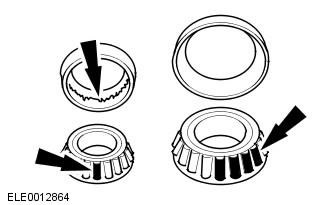
Wheel bearing noise may be mistaken for pinion bearing noise.
The article was copied from this resource www.LRman.ru
A sound similar to clucking
This sound, which occurs during the coasting phase, is usually caused by excessive clearance between the differential hub and the differential housing bore.
Damage to the ring gear on the non-working side can cause a clucking noise. A very small dent or ridge on the edge of a tooth can cause noise.
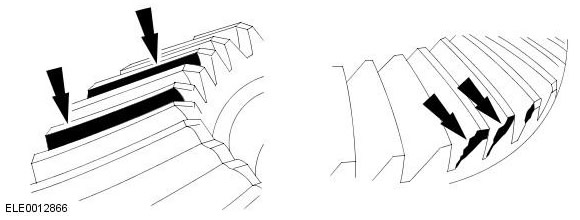
Knock
Knocking, which can occur during all phases of movement, has several causes, including damage to the teeth or gears.
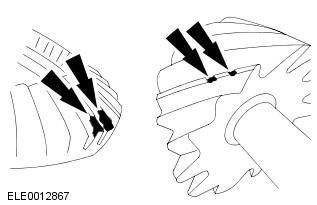
A damaged gear tooth on the drive side is the most common cause of knocking.
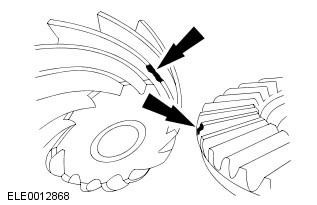
Clank
Clunking is a metallic noise heard when an automatic transmission is in reverse gear (REVERSE) or drive transmission (DRIVE). Noise may also occur when opening or closing the throttle. Clunking is caused by transmission calibration, free play in the transmission, or loose suspension components. Clunking can be felt or heard in the area of the rear drive axle.
Bearing rumble
Bearing noise is similar to the sound of marbles falling. This condition is usually caused by a worn/damaged wheel bearing. The lower pitch is because the wheel bearing is only spinning at 1/3 the speed of the driveshaft. Wheel bearing noise can also be high pitched, similar to gear noise, but will be present in all four driving modes.
Comments on this article